Learn — By WATMM Desk —
Merch for independent artists: print-on-demand vs bulk, and how to work out your margin
Print-on-demand means no stock and no upfront cost, but you pay more per item. Ordering in bulk is cheaper per item, but you pay first and carry the risk. This guide sets out how each model works, how to calculate the margin on one shirt, and when to switch. Fees are from Printful and Bandcamp, read on 24 Oct 2026.
Key facts
- Printful says it is free to use, with no monthly fees; its catalogue base price covers the blank product, one print placement and fulfilment, and shipping and taxes are charged separately.
- Bandcamp takes a 10% revenue share on physical items, not counting shipping and tax, and payment processor fees of typically 4 to 6% come on top.
- Los Campesinos! published their 2024 North American tour accounts: show fees alone (£99,738.05) fell £2,089.90 short of total tour costs, and merch profit of £40,336.54 turned the run into a profit.
Merch is one of the few income lines an independent artist sets the price of. How much you keep depends on two choices that people often blur together: how the item is made, and where it is sold.
This guide covers the first choice, print-on-demand or bulk, and shows how to work out the margin on a single item. It is not tax or legal advice, and the fees quoted are as we read them on 24 Oct 2026.
Why merch matters more than it looks
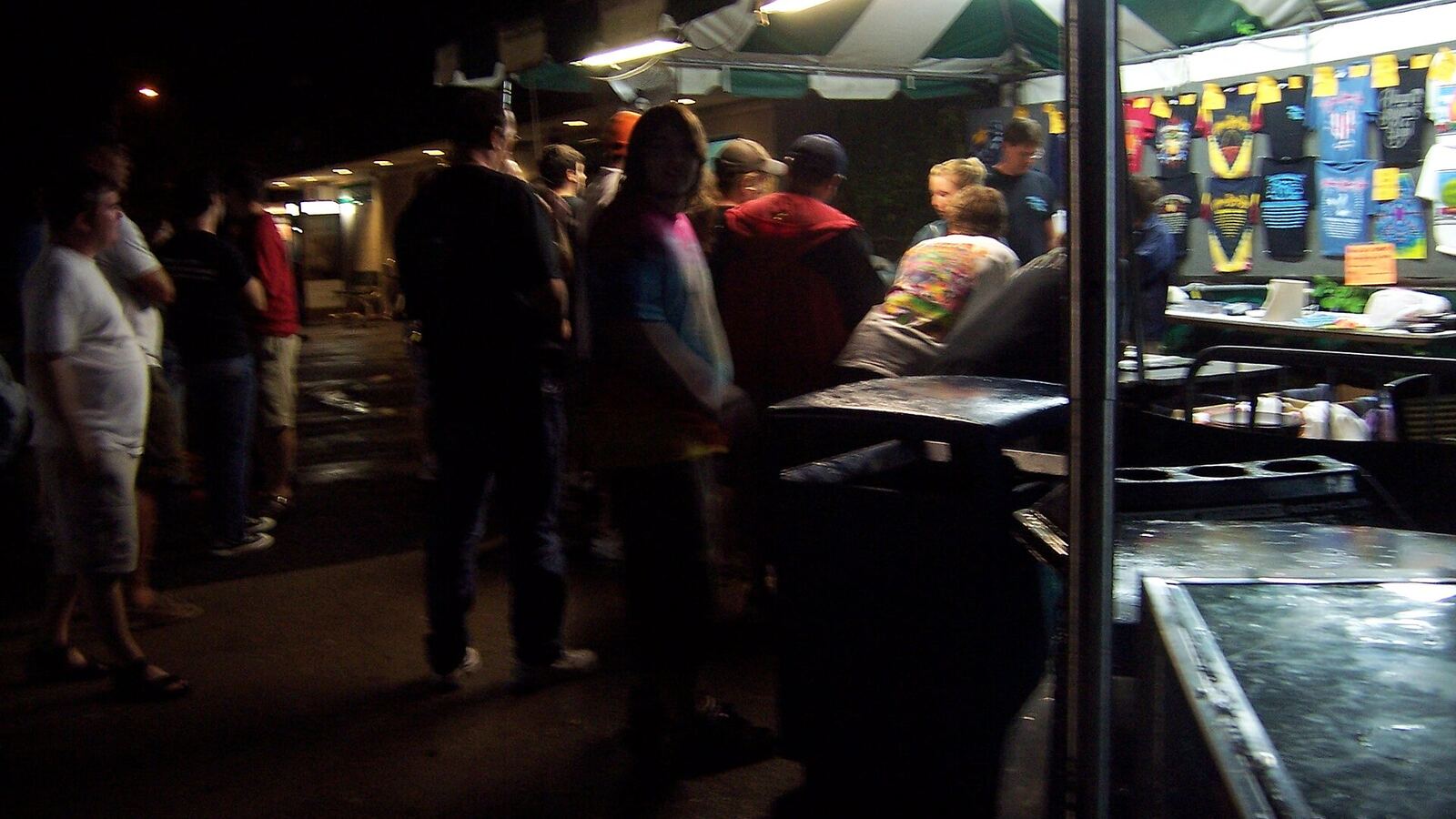
When Los Campesinos! published their tour accounts for an 11-date North American run in 2024, show fees alone left them with a loss of £2,089.90 after tour costs. Merch profit of £40,336.54 turned the tour into a profit. That is one band on one tour, not a rule. Still, it shows why the merch table deserves the same planning as the setlist. Our explainer on venue merch commission covers what venues take from that line.
Print-on-demand: no stock, higher cost per item
With print-on-demand (POD), nothing gets made until a fan orders it. You upload a design, set a retail price and connect a store. The POD company prints the item, packs it and ships it.
Printful is a typical example. It says it is "free to use" with no monthly fees to create products or connect a store. Its catalogue base price covers the blank product, one print placement and fulfilment. Extra placements, embroidery digitisation and branded packaging all cost more, and shipping and taxes are charged separately. Your profit is your retail price minus what you pay Printful. It also offers an optional Growth plan at $24.99 a month, which it says is waived once you reach $12K in yearly sales and which gives discounts of up to 33% on product prices.
Where POD works:
- Testing a design before you commit money to it.
- Selling to fans spread across many countries online, where you can't ship from your own room.
- A wide range of colours and sizes that you could never afford to stock.
Where it struggles:
- The merch table at a gig. You need stock in a box, not a link.
- Low prices. A higher base cost leaves less room between cost and a price fans will pay.
Bulk: cheaper per item, and you take the risk
With bulk, you order a run of items from a printer, pay before anything sells, and store and ship them yourself (or pay someone to). The appeal is a lower cost per item. Quotes depend on the printer, garment, number of colours, run size and country, so we don't quote figures here. Get at least two quotes for the exact item you want.
You save on each item, and you pay for that saving with risk. Sizes that don't sell, a design that doesn't land, and the boxes under your bed are all part of the cost, even if they never show up on the invoice.
How to work out your margin
Whichever model you choose, do the sum for one item before you order. The parts are:
- Item cost. For POD, the base price plus any extras. For bulk, the total invoice divided by the number of items, including setup or screen fees.
- Platform and payment fees. On Bandcamp, the revenue share on physical items is 10%, not counting shipping and tax. Payment processor fees are separate and "typically range between 4 and 6%". Other stores have their own rates, so check yours.
- Shipping and packaging that you don't charge back. If you offer free shipping, the cost comes out of your margin.
- Venue commission, for gig sales.
- Unsold stock, for bulk. Our rough rule: assume part of the run won't sell and price as if it won't.
Here is a worked example with made-up numbers, to show the method rather than real prices. Say a shirt sells for $30 on Bandcamp. Bandcamp's 10% is $3, and payment fees at 5% are about $1.50. If the item costs you $15, you keep about $10.50. If it costs you $8 in bulk, you keep about $17.50 per shirt sold, but only once the whole run has paid for itself. Put your own quotes into the same sum.
When to switch from one to the other
A simple path many artists could follow:
- Start with POD for online sales, so a new design costs nothing until someone buys it.
- Watch what sells. The designs and sizes that keep selling are the ones worth ordering in bulk.
- Order bulk for shows and proven designs, sized to what you actually sold rather than what you hope to sell.
You don't have to choose one model for everything. Running POD online and bulk at the merch table is a split we'd suggest, because it keeps each model where it is strongest.
What we think
POD is underrated as a research tool and overrated as a business. It answers a question for free: will anyone buy this? The margin is often too thin to rely on, so we'd treat it as the test kitchen, not the restaurant. Bulk is where the money is, but only for the items you have evidence for. The most common merch mistake isn't picking the wrong model. It's ordering 200 shirts in four sizes based on a feeling.
We'd also put merch in the same spreadsheet as everything else. A margin you never write down is a guess. Our guide to music income record-keeping shows a simple way to track it. If you sell direct, the Bandcamp for artists guide and artist website basics cover where to set up shop.
Sources
- Printful pricing, Printful (primary source). Accessed 24 Oct 2026.
- What are Bandcamp's fees?, Bandcamp Help Center (primary source). Accessed 24 Oct 2026.
- Los Camp! Present Their Tour Accounts, Los Campesinos! (Substack) (primary source). Accessed 24 Oct 2026.
Researched with AI assistance, written and checked by WATMM Desk.